


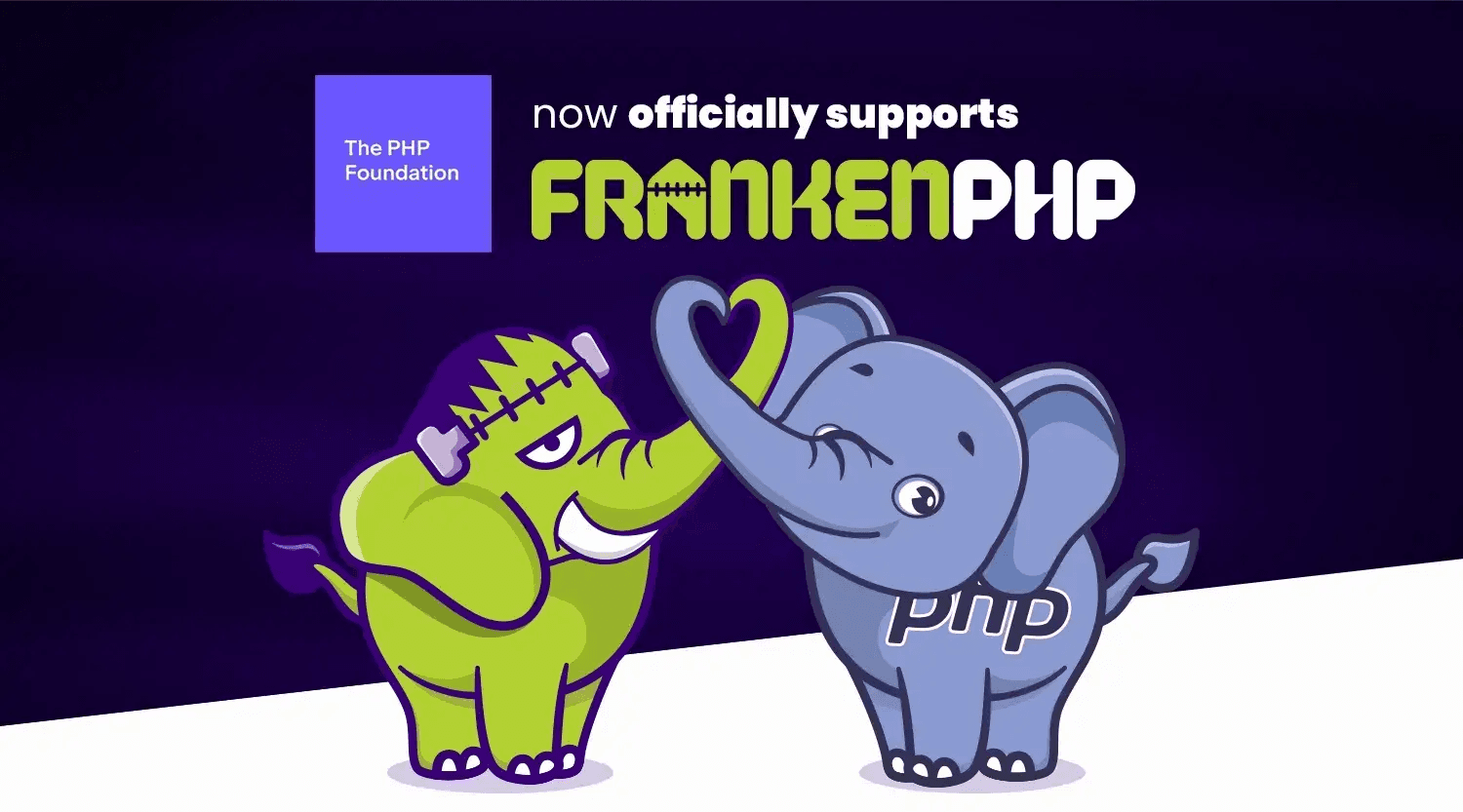
The perennial question, "Is PHP dead?" resurfaces with every passing year, often fueled by misconceptions or outdated perceptions of the language. As we approach 2026, it's time to definitively address this myth, especially given the remarkable advancements in the PHP ecosystem. Far from being obsolete, PHP is not only alive but thriving, powering a significant portion of the internet and continually innovating with new features and tools.
The Evolution of PHP: Beyond the Myths to PHP 8.4
PHP has undergone a dramatic transformation, particularly since the release of PHP 7.x. Each subsequent major version, including the upcoming PHP 8.4, brings significant performance enhancements, robust type system improvements, and powerful new language features. Developers who haven't revisited PHP in years would be astonished by its current capabilities.
Performance Boosts: JIT compilation, improved memory management, and optimized internal functions make modern PHP incredibly fast.
Type Safety: Union types, intersection types, and named arguments enhance code readability and reduce common errors.
New Features: Expect continued innovation in areas like error handling, asynchronous capabilities, and developer experience in versions like PHP 8.4.
PHP 8.x series has consistently pushed the boundaries, offering performance comparable to, and in some cases exceeding, other popular backend languages. This focus on speed and reliability ensures PHP remains a top contender for web application development.
FrankenPHP: A Game-Changing Application Server
One of the most exciting recent developments in the PHP world is FrankenPHP. This modern PHP application server, built on the Caddy web server and leveraging the power of Go, brings a fresh approach to deploying PHP applications. It integrates directly with PHP-FPM, RoadRunner, or Swoole, offering significant advantages:
FrankenPHP provides a seamless, performant, and modern way to run PHP applications, embracing HTTP/2 and HTTP/3 out of the box and simplifying deployment with static binaries.
Key benefits of FrankenPHP include:
Performance: Leverages Caddy's efficiency and can keep PHP applications "hot" in memory, similar to Node.js or Java application servers, reducing bootstrap time.
Simplicity: A single, self-contained binary makes deployment incredibly straightforward, even for complex applications.
Modern HTTP: Full support for HTTP/2 and HTTP/3, push capabilities, and automatic HTTPS via Let's Encrypt.
Native Go Integration: Allows PHP applications to benefit from Go's concurrency and tooling.
Here's a simple example of how a Caddyfile might look for a FrankenPHP application:
{
    frankenphp
}

your-domain.com {
    root * /app/public
    php_server
    file_server
}
Decoupling with Next.js: PHP as a Powerful Backend
In the modern web landscape, many applications adopt a decoupled architecture, separating the frontend user interface from the backend API. This is where PHP, especially with its recent advancements, shines as a robust and reliable backend. Frameworks like Laravel, Symfony, and Zend (now Laminas) provide excellent tools for building powerful RESTful APIs or GraphQL endpoints.
For the frontend, technologies like Next.js have become industry standards. Next.js offers server-side rendering (SSR), static site generation (SSG), and incremental static regeneration (ISR), providing incredible performance and SEO benefits. The synergy between a modern PHP API backend and a Next.js frontend is compelling:
Clear Separation of Concerns: Frontend developers can focus solely on the user experience, while backend developers optimize data logic and performance.
Scalability: Each layer can be scaled independently based on demand.
Developer Specialization: Teams can leverage specialized skills more effectively.
Flexibility: The API can serve multiple clients (web, mobile, IoT).
This architecture allows GSS to build highly performant, scalable, and maintainable applications, leveraging the strengths of both ecosystems.
PHP in 2026: A Resilient and Evolving Ecosystem
So, is PHP dead in 2026? The answer is a resounding no. PHP continues to be a cornerstone of web development, constantly adapting and integrating new paradigms. Its massive installed base, active community, and continuous innovation ensure its relevance for years to come.
At GSS, we recognize the power and flexibility of modern PHP. We leverage its robust capabilities, often in conjunction with cutting-edge frontends like Next.js and innovative deployment strategies like FrankenPHP, to deliver high-quality, performant, and scalable solutions for our clients. The future of PHP is bright, marked by efficiency, modern tooling, and strong community support.